The right forwarder for a China–Middle East or Red Sea shipment is not simply the one with the lowest headline rate. It is the partner that understands the cargo, explains the full scope of costs, coordinates origin and destination activities, and communicates clearly when carrier conditions change. The assessment criteria also differ for general containers, LCL, oversized machinery and dangerous chemicals. This practical checklist gives procurement, trade and supply chain teams a consistent way to compare providers. It also explains how BLUESea can assess and coordinate a shipment from actual cargo information, without treating estimated schedules, space or transport outcomes as unconditional guarantees.
Start with one shipment brief for every candidate
Send the same core information to each forwarder before comparing quotations. Otherwise, price differences may simply reflect different service scopes. Identify the pickup city or factory, destination port or airport, final delivery point if required, target shipping window and trade terms. State exactly which origin, main-carriage and destination activities the forwarder should include. Cargo details should cover the accurate product name, package count, packing method, unit and total gross weights, dimensions and overall volume.
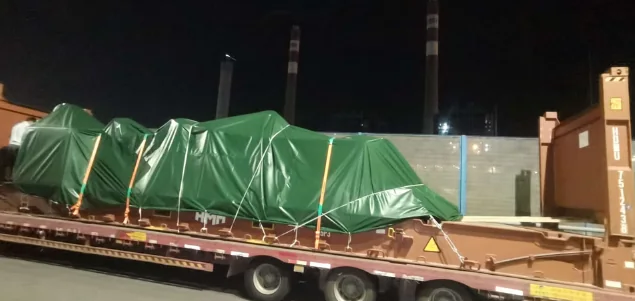
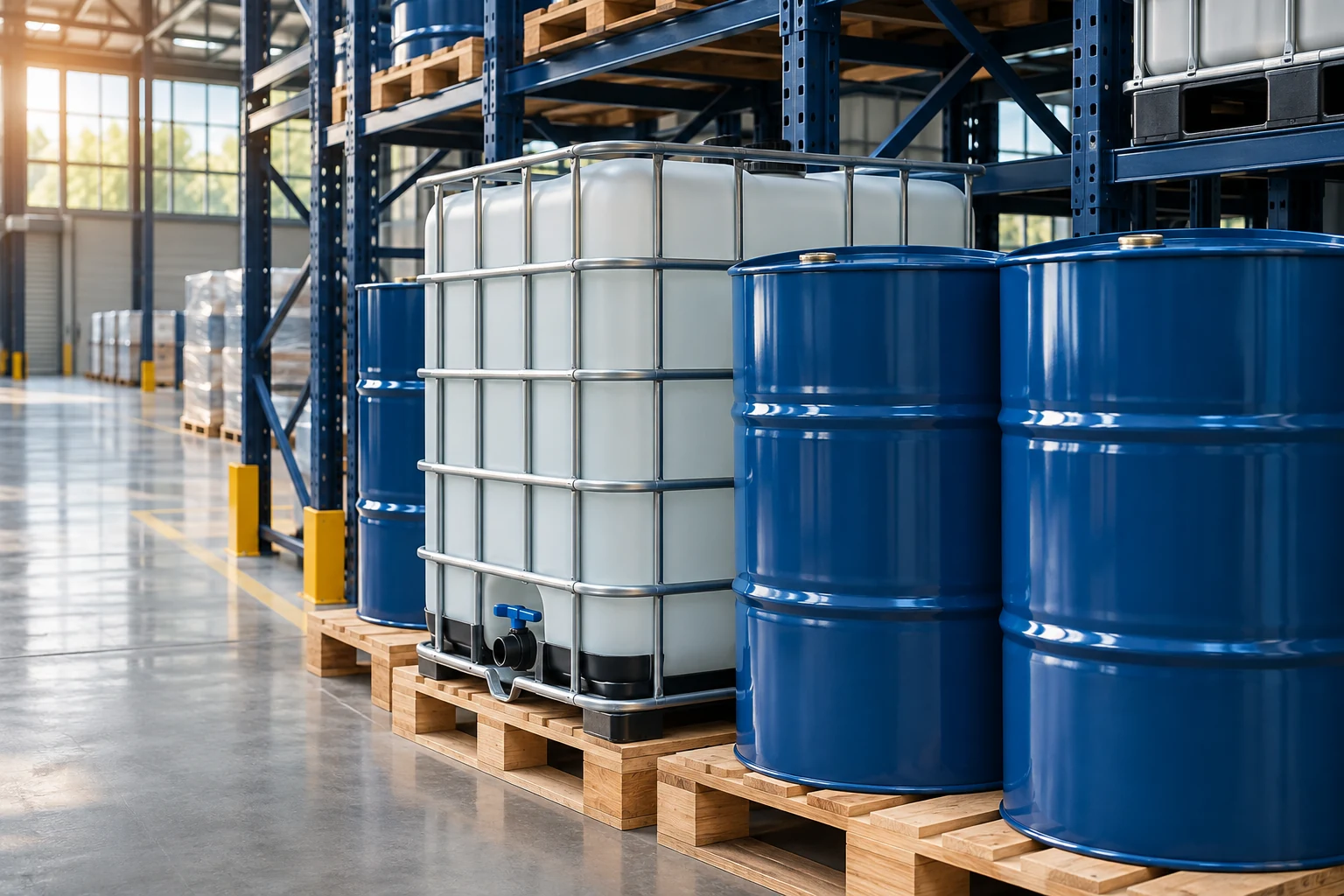
Disclose production-line equipment, oversized components, chemicals or batteries at the outset, not after booking. Machinery may require photographs and available information on its centre of gravity and lifting points. Chemical and dangerous goods shipments require an SDS and applicable classification details. A complete brief allows the forwarder to assess FCL, LCL, special equipment, air freight or sea–rail options and reduces the risk of later re-planning and quotation gaps.
- Origin, destination, target dates and trade terms
- Product, packages, packing, weight, dimensions and cargo photographs
- Dangerous, oversized or other special characteristics, where applicable
- A clear list of activities included in and excluded from the request
Verify experience that matches the cargo
Experience on a trade lane does not automatically establish competence for every cargo type. Ask candidates to explain a process relevant to your shipment: how FCL or LCL pickup, warehousing and customs clearance connect; how flat rack or open top dimensions, weights, loading and securing are reviewed; or how chemicals are assessed using the UN number, SDS, hazard class, packing group and transport classification documents. Useful answers identify information, responsibilities and operational steps rather than claiming that everything is possible.
Request an anonymised project record or process example and verify the legal entity and qualifications. BLUESea was founded in 2021 and is based in Futian, Shenzhen. Its services cover FCL, LCL, air freight, project cargo, special equipment, dangerous goods, chemicals and sea–rail transport. Company information lists NVOCC qualification and WCA and all-forward memberships. These facts support due diligence, but the current shipment plan still needs to be judged on its own merits.
Compare routings, not just advertised transit times
China–Middle East and Red Sea shipments can use different origin ports, destination ports and direct or connecting services. Ask for the proposed ports, estimated departure, transhipment points, documentation and terminal cut-offs, quotation validity and space-confirmation status. An estimated transit time is not a guaranteed arrival date. Port operations, connections, vessel adjustments and regional operating conditions can affect the actual journey. Time-sensitive projects should also discuss acceptable alternatives and the conditions for switching.
BLUESea focuses on South China–Middle East and Red Sea logistics and can plan routes using Shenzhen and Shekou port resources together with overseas agent coordination. Its project records include an injection moulding production line from Shekou to Damietta, Egypt, but that example does not make one routing suitable for every shipment. Current routes, schedules and charges must be confirmed against the cargo, shipping window and carrier availability.
- Direct or connecting service and the main handover points
- Whether space is confirmed and which schedule details remain estimates
- Conditions that may require a vessel, port or routing change
- Who provides tracking updates, through which channel and at what frequency
Break down the quotation and service boundaries
A lower ocean freight rate does not necessarily produce a lower total logistics cost. Compare quotations on the same scope, with origin charges, ocean freight, documentation and customs-related charges, trucking, warehousing and loading shown clearly. Special cargo may also involve lifting, securing, out-of-gauge declaration or dangerous goods handling. Identify separately whether destination charges, taxes, clearance and delivery are included; an unquoted item should never be assumed to be free.
Ask what could trigger additional charges, such as waiting, document amendments, inspections, extended container use or storage, and how third-party amounts will be evidenced and communicated. No forwarder can predict every future charge from incomplete information, but a competent provider should distinguish confirmed amounts, estimates and charges passed through at cost or according to third-party invoices. BLUESea can coordinate booking, trucking, export customs clearance, warehouse loading, tracking and destination delivery as required; the confirmed proposal defines the actual scope.
Test document control, exception handling and destination coordination
Clear operational thinking matters as much as access to a booking. During quotation, ask for the responsibilities and timing of booking, shipping instructions, export clearance, bill of lading checks, loading confirmation and tracking. Chemicals, dangerous goods and special equipment also require defined carrier approval, site-check and document-amendment processes. Advice to declare sensitive cargo as general cargo and resolve issues later is not a compliant operating method.
At destination, confirm the agent’s coordination scope, the channel for checking charges and the contact for exceptions. Do not assume that a forwarder controls customs, terminal operators or the consignee. When delay, inspection, inconsistent documents or equipment changes occur, you need to know who will notify you, what facts will be supplied and which alternatives are available. A documented escalation path is more useful than a promise that nothing will go wrong.
Use a final scorecard without hiding unresolved items
Place all candidates in one comparison table covering cargo understanding, routing fit, cost completeness, compliance workflow, exception response and destination coordination. Record quotation validity and exclusions alongside the scores. Keep written answers and highlight open points instead of allowing an attractive total to obscure them. If carrier approval is pending, reflect that dependency in the internal delivery plan and retain a realistic alternative where one is available.
When contacting BLUESea, provide the shipment brief and any special-cargo documents. The team can assess the transport method, coordinate relevant resources and identify items awaiting confirmation. Dangerous goods and special cargo remain subject to review and carrier acceptance. This approach is designed for businesses seeking a shipment-specific answer, rather than a universal ranking of the “best” forwarder detached from actual requirements.
- Does the proposal address the actual cargo rather than repeat a template?
- Are scope, estimates, exclusions and validity conditions written down?
- Are approvals, open questions and responsibilities explicit?
- Is there an executable plan and a practical communication process?
FREQUENTLY ASKED
Is the cheapest forwarder the best choice for China–Middle East exports?
Not necessarily. First align the service scope, then compare ocean freight, origin and destination charges, special handling and potential additional costs. A low rate that omits necessary activities may not reduce total cost.
What information should I provide for an initial quotation?
Provide origin, destination, product name, packages, packing, gross weight, dimensions or volume and target shipping date. Add UN and SDS details for dangerous goods, or unit dimensions, weights, photographs and lifting conditions for oversized equipment.
Can a forwarder guarantee vessel space and the arrival date?
Space, schedules and arrival depend on carriers, ports and other operating conditions. Ask which details are confirmed and which are estimates, and agree how changes will be communicated. An estimate should not be treated as an unconditional guarantee.
Can BLUESea support both general and complex cargo?
Its services include FCL, LCL, air freight, project cargo, special equipment, chemicals, dangerous goods and sea–rail transport. Suitability and arrangements are assessed shipment by shipment against cargo information, applicable requirements and carrier conditions.